
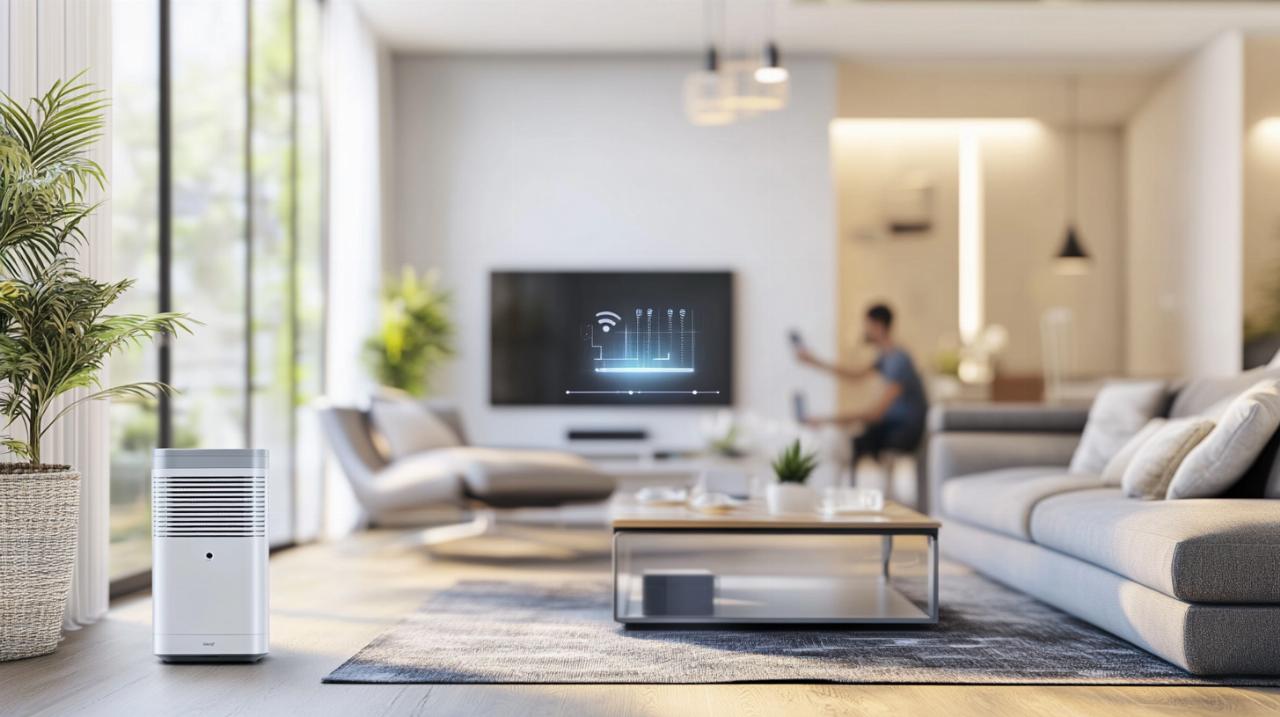
Transforming your home into a modern sanctuary involves more than just aesthetic upgrades. Today's homeowners are increasingly turning to intelligent solutions that not only streamline daily routines but also safeguard the wellbeing of everyone under the roof. By combining cutting-edge smart home systems with dedicated air quality management, you can create a living environment that is both convenient and health-conscious. This approach addresses the hidden challenges of indoor pollutants whilst offering seamless control over your domestic ecosystem, ensuring comfort, efficiency and peace of mind in equal measure.
Smart home technology for modern living
The advent of smart home technology has revolutionised the way we interact with our living spaces. Gone are the days of manually adjusting thermostats or worrying about whether you locked the front door. Modern systems integrate lighting, security, climate control and entertainment into a single, intuitive platform that responds to your preferences and routines. The beauty of these solutions lies in their ability to learn and adapt, creating an environment that feels almost intuitive. Many homeowners find that once they experience the convenience of automated lighting that adjusts according to the time of day or intelligent heating that anticipates their arrival home, there is no turning back.
Essential smart devices to transform your space
At the heart of any smart home lies a collection of devices designed to work in harmony. Smart speakers and hubs serve as the central nervous system, allowing voice commands to control everything from window blinds to kitchen appliances. Intelligent thermostats learn your schedule and temperature preferences, reducing energy consumption whilst maintaining comfort. Meanwhile, connected lighting systems offer the flexibility to set mood lighting for any occasion, from a cosy evening in to a lively dinner party. Security cameras and smart locks provide real-time monitoring and remote access, ensuring that your home remains secure whether you are upstairs or abroad. For those keen to explore more inspiration and detailed guidance on integrating these technologies seamlessly, it is worth taking the time to visit villaauristela.es, where comprehensive resources and expert insights can help you make informed decisions about your smart home journey.
Integrating smart systems for seamless control
The true power of smart home technology emerges when individual devices communicate and collaborate. Integration platforms allow different brands and systems to work together, creating automated routines that respond to triggers such as time of day, occupancy or even weather conditions. Imagine your home automatically lowering the blinds and activating the air purifier when outdoor pollution levels rise, or your heating system adjusting in sync with your evening routine. This level of coordination not only enhances convenience but also contributes to energy efficiency, reducing bills and environmental impact. Setting up these routines can initially seem daunting, yet most modern systems offer user-friendly apps and step-by-step guides that make the process accessible even to those without technical expertise. Once configured, the system operates quietly in the background, adapting to your lifestyle and freeing you from mundane tasks.
Improving indoor air quality through technology
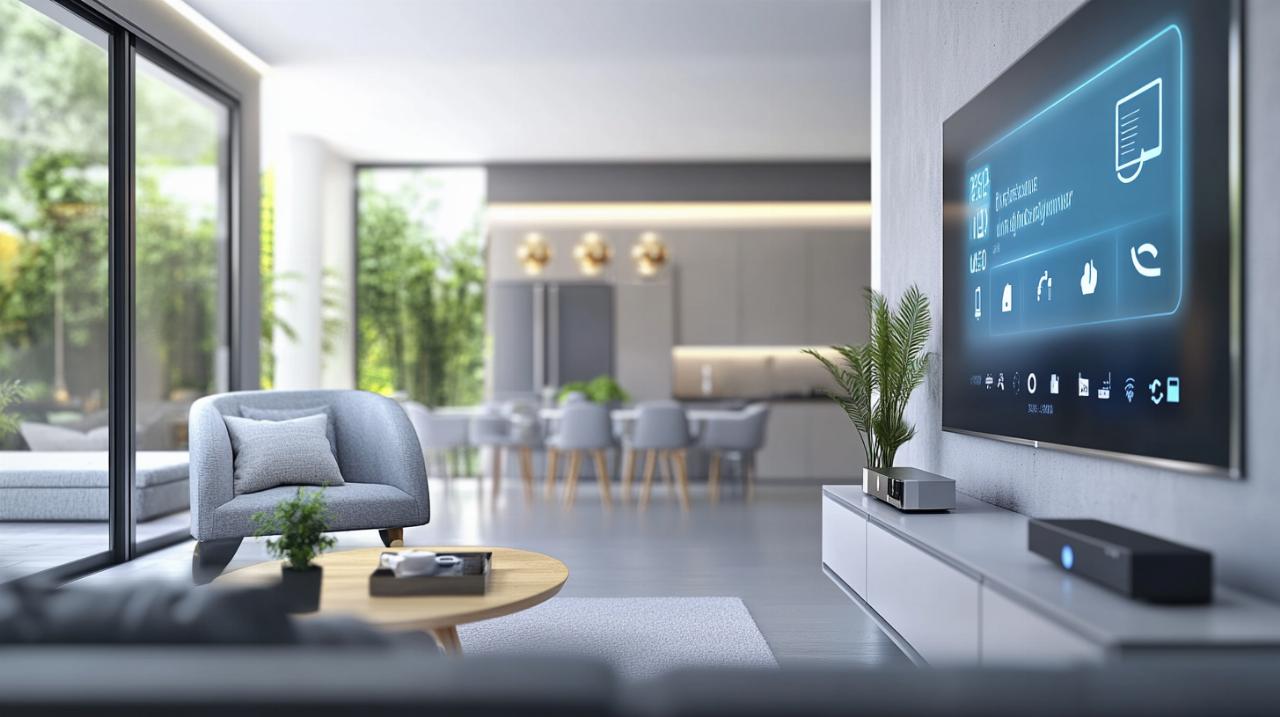
Whilst the benefits of smart home automation are widely celebrated, the issue of indoor air quality often remains overlooked despite its profound impact on health and wellbeing. Research consistently shows that indoor pollutant concentrations can be significantly higher than those outdoors, sometimes reaching levels that are two to five times greater. This is particularly concerning given that most of us spend the vast majority of our time indoors, with estimates suggesting figures as high as 85 to 90 percent. Poor indoor air quality has been linked to a range of health problems including respiratory issues, asthma attacks, and even cardiovascular disease. Common culprits include volatile organic compounds released by cleaning products and furnishings, pet dander, dust mites, mould spores, tobacco smoke, and particles from cooking or combustion appliances. Addressing these pollutants requires a multifaceted approach that combines awareness, preventative measures and the strategic use of technology.
Smart air purification and monitoring systems
One of the most effective ways to tackle indoor air quality is through the use of air purifiers equipped with advanced filtration technology. Devices featuring HEPA filters are capable of capturing up to 99.97 percent of airborne particles, including allergens, dust, pet hair and even some viruses and bacteria. Many modern purifiers also incorporate active carbon filters to neutralise odours and absorb volatile organic compounds, providing comprehensive protection against a wide range of pollutants. What sets smart air purifiers apart is their ability to monitor air quality in real time and adjust their operation accordingly. Sensors detect changes in particulate matter, humidity and temperature, automatically increasing filtration intensity when needed and providing feedback through dedicated apps. This allows homeowners to stay informed about the air they breathe and take action before problems escalate. Some systems integrate seamlessly with heating, ventilation and air conditioning setups, creating a holistic approach to climate and air quality management that operates with minimal intervention.
Ventilation solutions for healthier indoor environments
Effective ventilation is a cornerstone of maintaining healthy indoor air, yet it is often neglected in favour of more glamorous smart home features. Opening windows for just five to ten minutes each day can significantly reduce the concentration of indoor pollutants and lower the risk of airborne virus transmission. However, relying solely on manual ventilation is impractical and inconsistent, particularly in climates where outdoor air quality fluctuates or during extreme weather. This is where mechanical ventilation systems, such as mechanical ventilation with heat recovery units, come into play. These systems continuously exchange stale indoor air with fresh outdoor air whilst recovering heat energy, ensuring that your home remains well-ventilated without sacrificing energy efficiency. Advanced units can complete a full air change every two hours, dramatically improving air quality and reducing moisture levels that contribute to mould growth and dust mite populations. For households in areas with elevated radon levels, which affects tens of thousands of homes in certain regions, proper ventilation is not just beneficial but essential. Controlling humidity is equally important, with ideal levels maintained between 30 and 50 percent to prevent both mould proliferation and the drying out of respiratory passages. Smart humidifiers and dehumidifiers can work in tandem with ventilation systems to maintain this balance, creating an environment that supports respiratory health and overall comfort. Regular maintenance, such as changing air filters every 90 days or more frequently if you have pets, ensures that these systems continue to perform optimally. Combining smart purification, intelligent monitoring and robust ventilation transforms your home into a sanctuary where the air you breathe is as clean and refreshing as the technology that powers it.
Comments are closed