
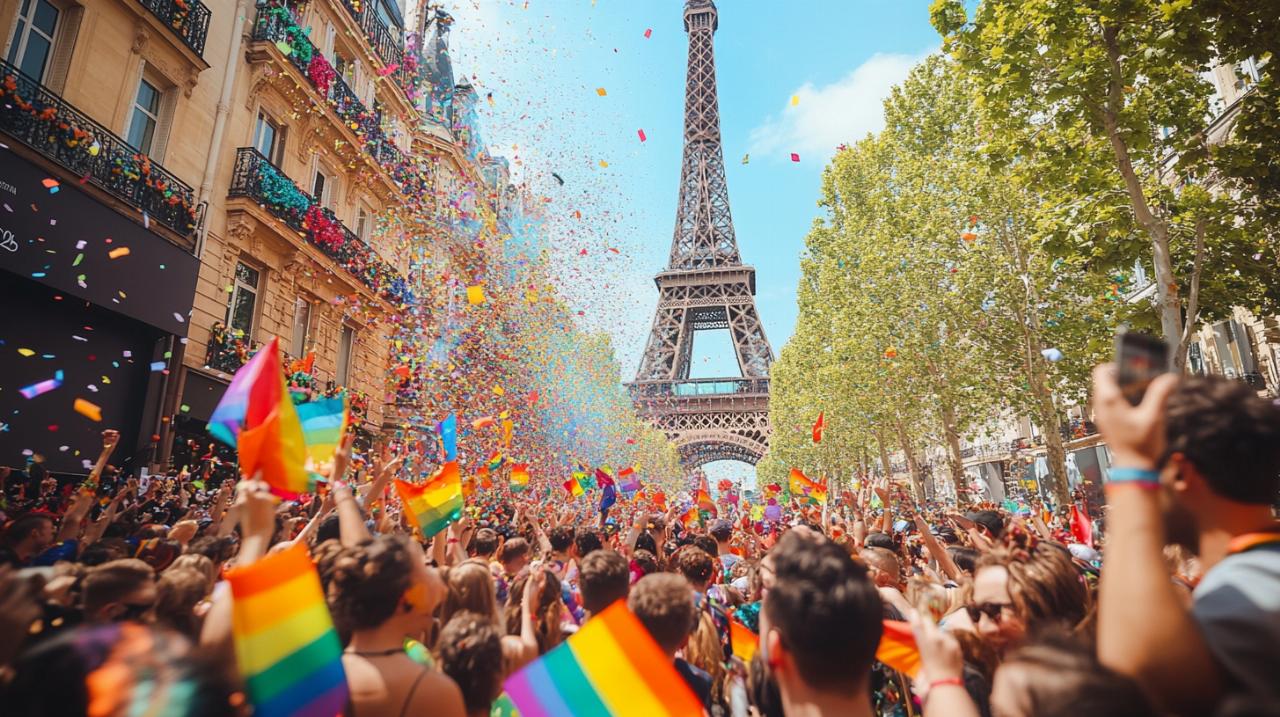
Pride celebrations across Europe have become remarkable expressions of solidarity, diversity, and joy, drawing millions of visitors eager to witness vibrant parades and participate in community gatherings. Among the continent's most anticipated events, the Paris Pride march stands out not only for its historical significance but also for its scale and atmosphere. As 2025 approaches, understanding when this celebration occurs and how it measures up against other major European Pride events, particularly those in Barcelona and Madrid, can help travellers and participants plan their experiences to match their preferences and interests.
Paris Gay Pride 2025: Date, Route, and What to Expect
When and where: the 2025 paris pride march details
The Marche des Fiertés, as Parisians call their Pride parade, is scheduled to take place on Saturday, the twenty-eighth of June in 2025. This marks a particularly special milestone, as it celebrates the twenty-fifth anniversary of the parade in its current form, promising an even more spectacular turnout than in previous years. Organisers anticipate that over seven hundred thousand attendees will gather to march through the heart of the French capital, making it one of the largest LGBTQ+ gatherings in Europe. The route typically winds through some of the city's most iconic locations, offering participants and spectators alike breathtaking views of Parisian landmarks while celebrating love and acceptance. The date aligns closely with Pride Month, which honours the Stonewall Riots of 1969 in New York City, a pivotal moment in the fight for LGBTQ+ rights. For those planning to attend, the event promises not only a visual spectacle but also a profound sense of community and shared purpose.
A Week of Celebrations: Events Surrounding the Parade
While the parade itself is the centrepiece of Paris Pride, the festivities extend well beyond a single day. From the twenty-sixth to the twenty-ninth of June, the city transforms into a hub of LGBTQ+ celebrations, with parties, workshops, cultural exhibitions, and gatherings taking place across various neighbourhoods. These events cater to a wide range of interests, from intimate discussions on LGBTQ+ history and rights to high-energy dance parties that last until dawn. Many of the city's bars, clubs, and cultural venues participate, offering themed nights and performances that celebrate queer culture in all its forms. This week-long celebration ensures that visitors have ample opportunity to engage with the community, whether they prefer quiet reflection or exuberant celebration. The electric atmosphere draws people from all over the world, creating a melting pot of cultures and backgrounds united by a common cause. For those seeking accommodation during this time, it is advisable to book early, as hotels and hostels fill up quickly, especially those located near the parade route or in traditionally LGBTQ+ friendly districts.
Barcelona pride vs paris pride: comparing europe's biggest lgbtq+ celebrations
Barcelona's pride festival: dates, scale, and unique features
Barcelona Pride, known for its extended celebration period, runs from the twenty-eighth of June through the twentieth of July in 2025, with the main parade scheduled for Saturday, the nineteenth of July. This gives the Catalan capital nearly a month of Pride events, significantly longer than most other European cities. The festival is renowned for its vibrant mix of musical performances, DJ sets, exhibitions, and club nights that showcase both local and international talent. Barcelona's Pride has grown into one of the largest in Europe, attracting hundreds of thousands of participants who flock to the Mediterranean city to enjoy its warm weather, stunning architecture, and inclusive atmosphere. The city's reputation as a progressive and welcoming destination makes it particularly appealing to LGBTQ+ travellers. The parade itself features elaborate floats, colourful costumes, and performances that reflect the creativity and diversity of the community. Unlike some other cities where Pride is concentrated into a single weekend, Barcelona's extended schedule allows visitors to experience a more relaxed pace while still enjoying numerous events and activities.
How Paris and Barcelona Pride Events Differ in Atmosphere and Organisation
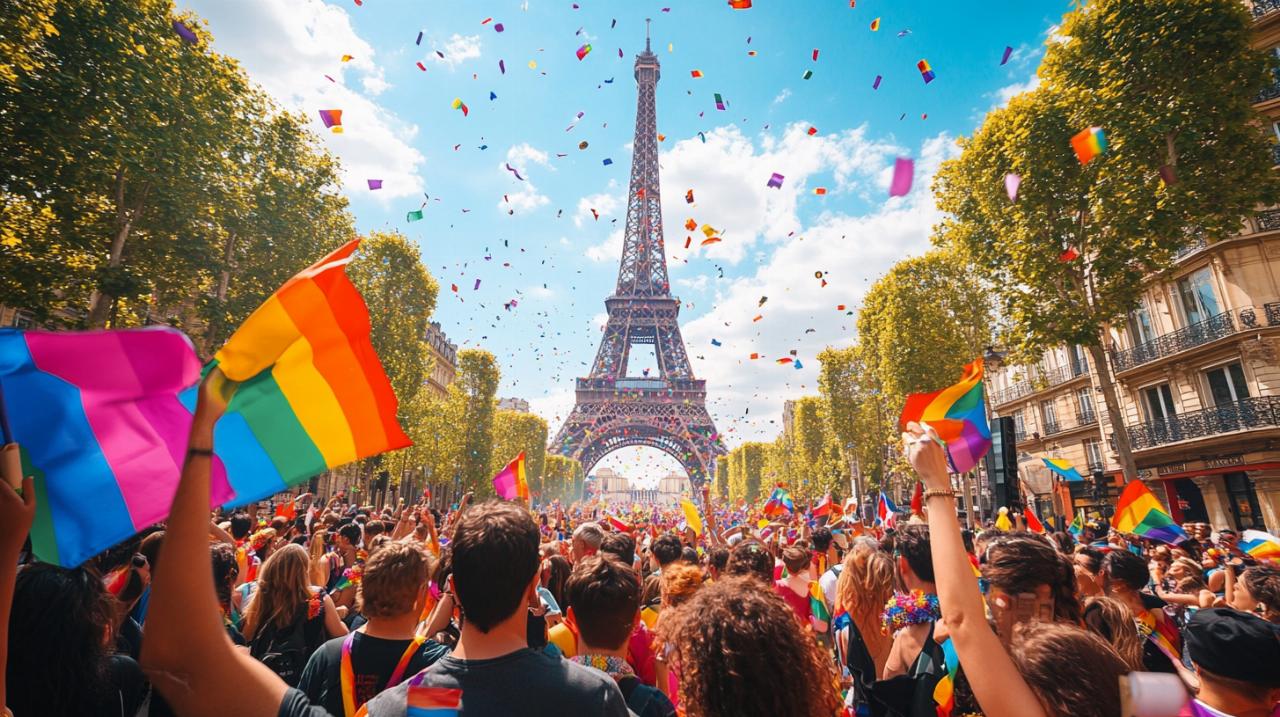
Comparing Paris and Barcelona Pride reveals distinct differences in both atmosphere and organisation. Paris Pride tends to have a more political edge, with a strong focus on advocacy and visibility for LGBTQ+ rights. The march through central Paris carries a sense of historical gravitas, reflecting France's complex relationship with LGBTQ+ issues and the progress made over the decades. The concentration of events within a shorter timeframe, from late June into early July, creates an intense, high-energy atmosphere that can feel both exhilarating and overwhelming. In contrast, Barcelona Pride spreads its festivities over a longer period, allowing for a more leisurely experience. The Catalan city's Pride has a distinctly Mediterranean flair, with beach parties, open-air concerts, and a generally more relaxed vibe. While both cities draw massive crowds, the organisational approach differs: Paris focuses on a single, massive parade day with satellite events, whereas Barcelona integrates Pride into the fabric of the city over several weeks. For travellers deciding between the two, the choice often comes down to whether they prefer the concentrated intensity of a weekend celebration or the extended, more diverse offerings of a month-long festival.
Madrid Pride and Paris Pride: A Tale of Two European Capital Celebrations
Madrid's mado festival: timing, size, and cultural significance
Madrid Pride, officially known as MADO, is widely regarded as the largest Pride celebration in Europe and possibly the world, regularly attracting well over a million visitors. The 2025 edition runs from the twenty-seventh of June to the sixth of July, with the Grand Parade taking place on Sunday, the sixth of July. This year holds special significance as Spain celebrates twenty years of equal marriage, a milestone that Madrid's LGBTQ+ community is particularly proud to commemorate. The festival transforms the Chueca neighbourhood and surrounding areas into a vibrant hub of activity, with stages, performances, and parties that continue late into the night. Madrid's Pride is known for its exuberant atmosphere, with events ranging from the famous high heels race to massive concerts featuring international artists. The parade route traditionally runs from Atocha to Colon, passing through some of Madrid's most historic and beautiful streets. The sheer scale of the event, combined with Spain's reputation as one of the most LGBTQ+ friendly countries in the world, makes Madrid Pride a bucket-list experience for many within the community.
Comparing the three cities: which pride event suits your travel plans
When comparing Paris, Barcelona, and Madrid Pride celebrations, several factors come into play that can help travellers determine which event best suits their preferences and schedules. Madrid Pride offers the largest crowds and the most intense party atmosphere, ideal for those who want to experience Pride on a grand scale and don't mind navigating massive crowds. The Spanish capital's celebration is unmatched in terms of size and energy, with a strong emphasis on music, dancing, and nightlife. Paris Pride provides a more concentrated experience, with its main events compressed into a few days in late June. This makes it perfect for travellers with limited time who want to experience a major European Pride without committing to a longer stay. The historical and cultural backdrop of Paris adds a unique dimension to the celebration, blending the city's iconic landmarks with colourful expressions of LGBTQ+ pride. Barcelona Pride, with its extended timeline and Mediterranean setting, appeals to those who prefer a more relaxed approach. The ability to enjoy beach parties, explore Gaudí's architecture, and attend Pride events over several weeks makes Barcelona ideal for travellers who want to combine a holiday with Pride celebrations. All three cities offer excellent accommodation options, with numerous hotels and hostels certified as LGBTQ+ friendly and welcoming. Ultimately, the choice depends on whether you prioritise scale, intensity, duration, or setting, but each city guarantees an unforgettable Pride experience that celebrates diversity, acceptance, and the ongoing fight for equality.
Comments are closed